
Working in the pavement industry can be tough. Whether you are paving roads, applying pavement markings, sealcoating parking lots, or working with asphalt, safety should always come first. Workers face many dangers every day, including hot materials, moving vehicles, loud equipment, and harmful chemicals. That is why personal protective equipment, also called PPE, is so important.
PPE helps protect workers from injuries and keeps job sites safer for everyone. Below we will explain the different types of PPE used in the pavement industry and why each piece matters.
What Is PPE?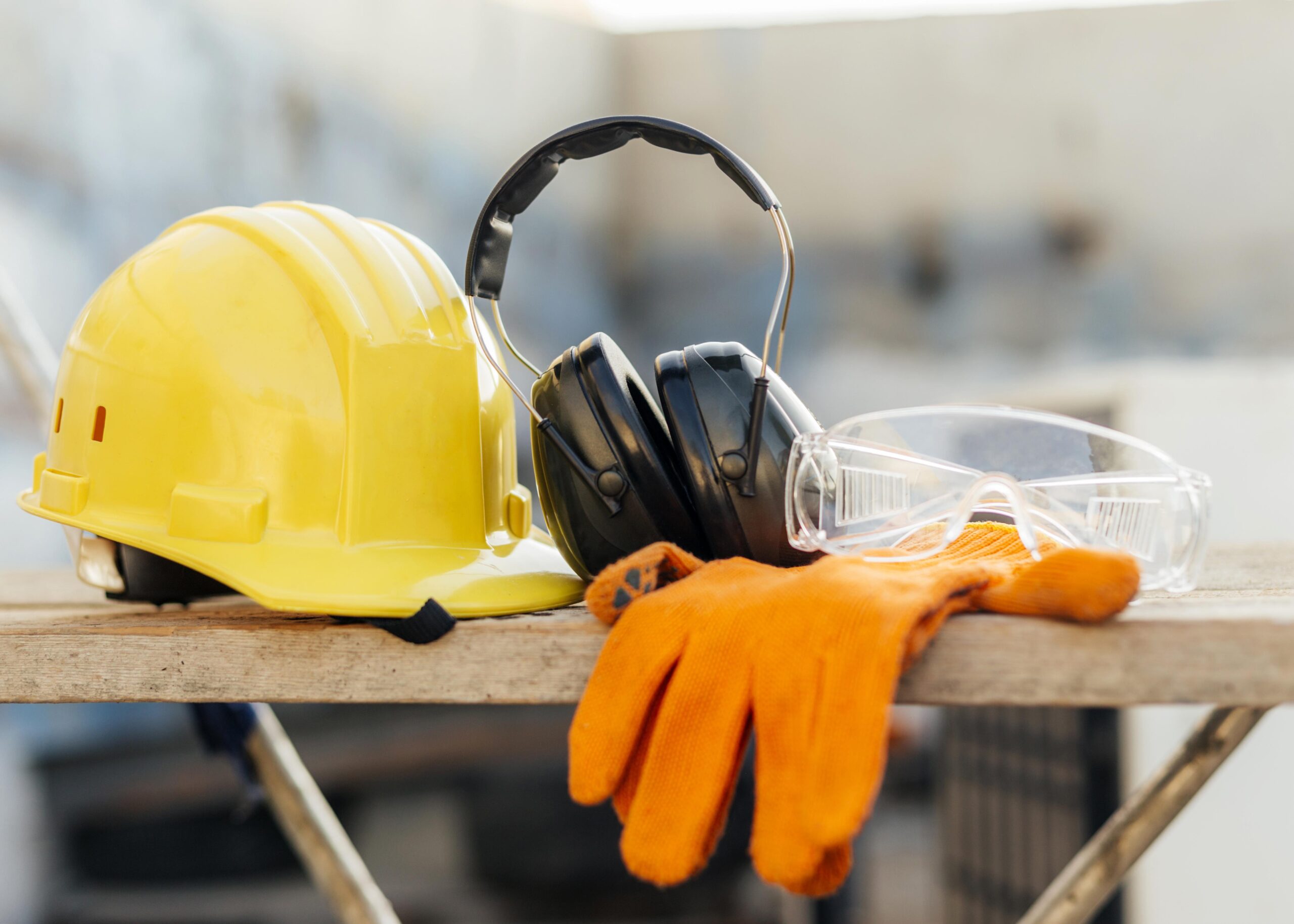
Personal protective equipment, or PPE, is safety gear worn to reduce the risk of injury on the job. PPE can create a barrier between workers and workplace hazards. While PPE does not remove the danger completely, it can greatly lower the chance of serious injuries.
High-Visibility Clothing
One of the biggest dangers in pavement and asphalt work is traffic. Workers are often near moving cars, trucks, and heavy equipment. High-visibility clothing helps drivers and machine operators see workers more clearly.
Common high-visibility PPE includes:
- Safety vests
- Reflective jackets
- Bright-colored shirts
These items are usually safety yellow, orange, or lime green with reflective stripes. They are especially important when working at night or during bad weather.
Hard Hats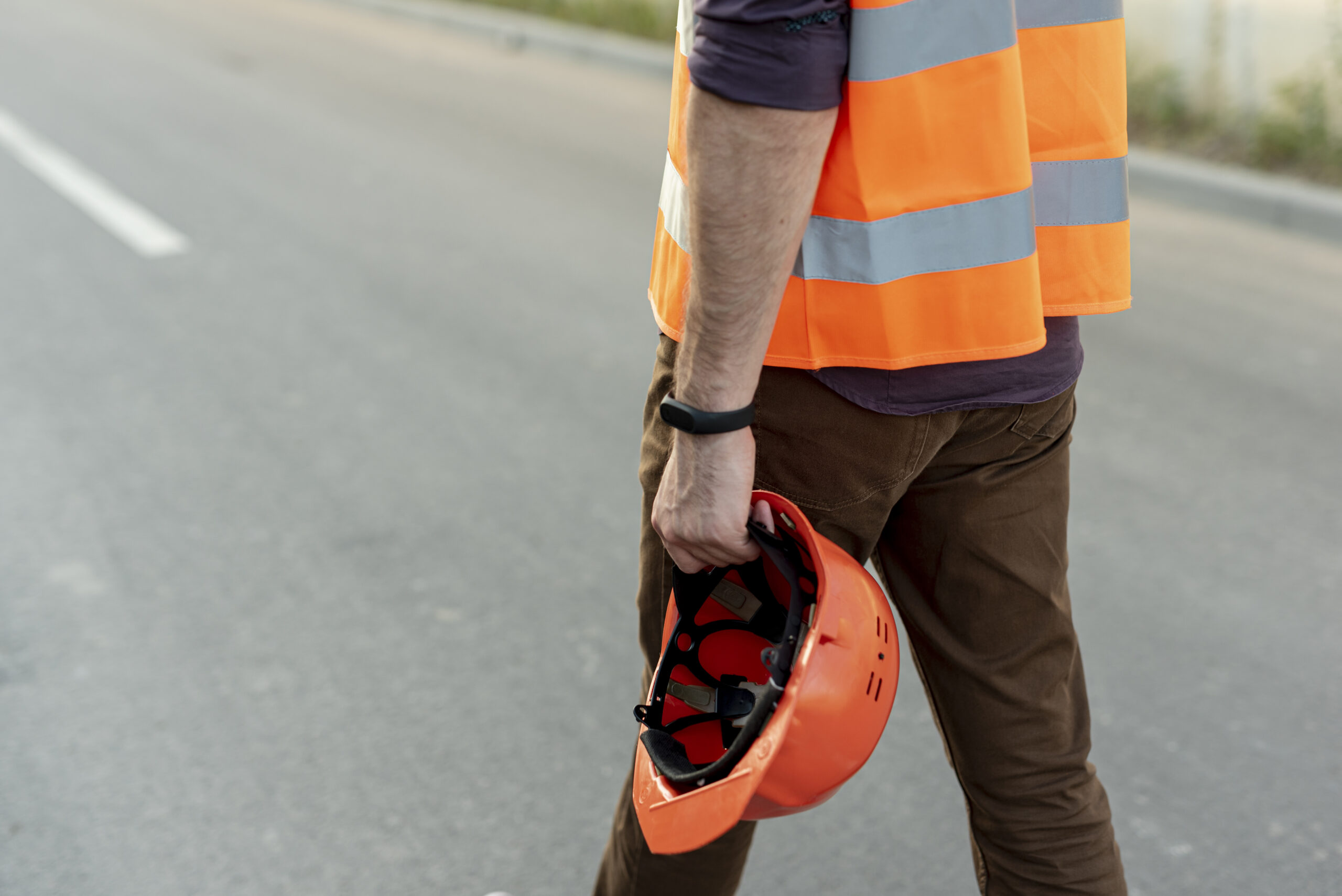
Hard hats protect workers from head injuries caused by falling tools, debris, or accidental bumps. Construction zones often have equipment moving overhead, making hard hats an important part of daily safety gear.
Workers should always inspect hard hats for cracks or damage before using them.
Safety Glasses and Face Protection
Pavement and sealcoating jobs can create flying debris, dust, and chemical splashes. Safety glasses help protect workers’ eyes from these hazards.
Some jobs may also require:
- Face masks or neck gaiters
- Goggles
- Full-face protection
Eye injuries can happen quickly, so proper eye protection should never be ignored.
Gloves for Hand Protection
Workers in the asphalt and pavement industry handle rough materials, hot tools, and chemicals every day. Gloves help protect hands from burns, cuts, and skin irritation.
Different jobs may require different gloves, such as:
- Heat-resistant gloves for hot asphalt
- Chemical-resistant gloves for sealcoating materials
- Heavy-duty work gloves for handling equipment
Using the correct gloves can prevent painful injuries and improve grip while working.
Boots
Regular sneakers are not safe for pavement work. Heavy tools, machinery, and materials can easily crush feet. Steel-toe boots provide strong protection and help prevent slips and falls. Blacktop pavement workers require specialized, high-heat-resistant boots featuring smooth, flat soles to prevent leaving marks in the fresh, hot asphalt. These often have minimal seems to prevent melting.
Good work boots should also:
- Have slip-resistant soles
- Support the ankles
- Be comfortable for long hours
Because pavement crews spend many hours standing and walking, proper footwear is extremely important.
Hearing Protection
Road construction equipment can be very loud. Machines such as grinders, compactors, blowers, and striping equipment may damage hearing over time.
Workers often use:
- Earplugs
- Earmuffs
Hearing loss can happen slowly, so hearing protection should be worn whenever loud equipment is operating.
Respiratory Protection
Sealcoating, asphalt work, and pavement marking can expose workers to fumes, dust, and chemicals. Breathing in these materials may cause health problems over time.
Respiratory PPE may include:
- Dust masks
- Respirators
- Filtered breathing systems
Workers should always follow safety instructions when using respiratory equipment.
Staying Safe Starts with Preparation
PPE works best when workers wear it correctly and consistently. Safety gear should fit properly, stay clean, and be replaced if damaged. Employers should also provide training so workers understand how to use their PPE the right way.
Safety is everyone’s responsibility on a pavement job site. Wearing the proper PPE can prevent injuries, save lives, and help crews work more confidently every day.
The pavement, pavement marking, sealcoating, and asphalt industries are essential for building and maintaining safe roads and parking lots. However, these jobs come with real risks. Personal protective equipment helps protect workers from many common dangers found on job sites.
From hard hats and reflective vests to gloves and respirators, every piece of PPE plays an important role. When workers use the right safety gear, they help create a safer environment for themselves and their entire crew.